Nicotine Salt vs Freebase: What’s the Difference?
Two forms of nicotine, two kinds of device. How salts and freebase differ, which strengths they come in, and which suits your setup.
Most nicotine e-liquid uses one of two forms of nicotine: freebase or nicotine salt. They’re labelled differently, sold at different strengths, feel different on the throat, and suit different devices. Using the wrong one for your setup is one of the most common reasons a new device feels “wrong”. This guide explains the difference, how to read a bottle, and which form usually goes with which kind of device.
The short version
- Freebase is the traditional form. It feels harsher at higher strengths, so it’s usually sold at lower strengths for bigger, higher-power devices.
- Nicotine salt is nicotine combined with a mild acid. It feels smoother at higher strengths, so it’s the norm in small, low-power pods.
- Neither is “stronger” by itself: strength is the mg/ml number on the label.
- Match the liquid to the device: salts for small mouth-to-lung pods, low-strength freebase for sub-ohm tanks and high-power mods.
What’s actually different?
It comes down to chemistry, not ingredients you’d notice. Freebase nicotine is nicotine in its unbound, more alkaline form. This is what “nicotine” in e-liquid meant for most of vaping’s history.
Nicotine salt is made by combining nicotine with an acid (benzoic acid is common; other organic acids are also used). That lowers the liquid’s pH, and the practical result is that the vapour feels noticeably smoother on the throat at the same strength. Nicotine-salt liquids became widespread in the mid-2010s alongside small, low-power pod devices, because they made higher strengths comfortable in that kind of hardware.
That’s the whole story as far as the label is concerned. The flavour, the PG/VG ratio and the strength still vary from bottle to bottle in both types.
Side by side
| Freebase | Nicotine salt | |
|---|---|---|
| Throat feel at higher strengths | Harsher | Smoother |
| Typical strengths sold | Low to medium (often 0–18mg/ml) | Medium to high (often 10–20mg/ml, higher where permitted) |
| Best in | Sub-ohm tanks, DTL and RDL devices | MTL pods and other low-power devices |
| Typical base | Often higher VG (e.g. 70/30) | Often 50/50 |
| How it’s labelled | Usually just the strength | “Salt”, “nic salt” or “salt nic” |
Which device takes which?
| Device type | Typical coil | Usually paired with |
|---|---|---|
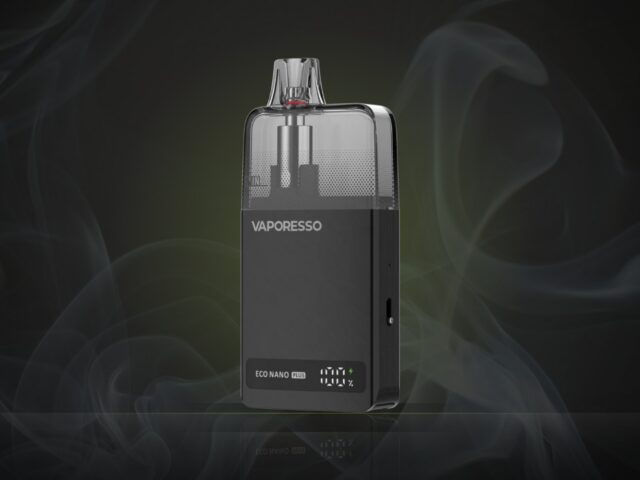
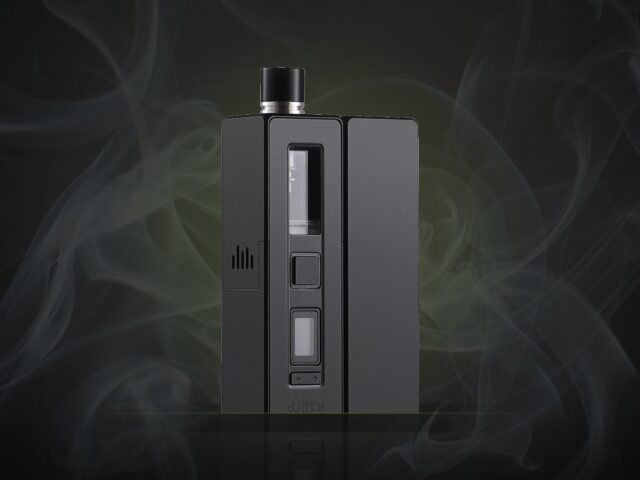
| Small MTL pod (e.g. XROS 6, ECO NANO PLUS) | 0.8–1.2Ω | Nicotine salt |
| Looser pod or AIO running 0.4–0.6Ω | 0.4–0.6Ω | Lower-strength salt or freebase |
| MTL tank or MTL rebuildable | Around 1Ω+ | Freebase or salt at moderate strengths |
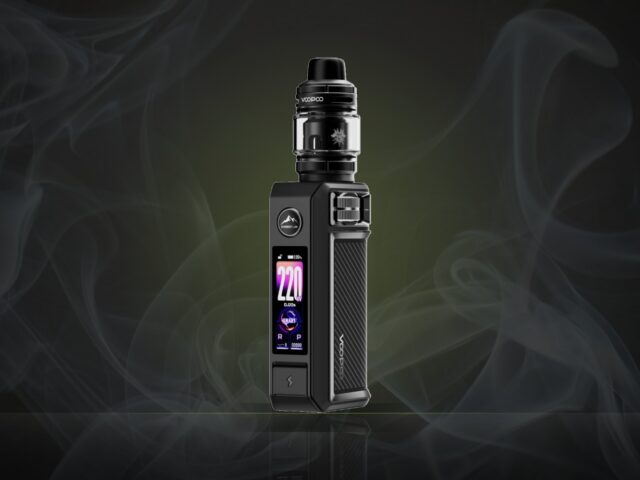
| Sub-ohm tank or high-power mod (e.g. DRAG 6) | Below 0.4Ω | Low-strength freebase |
| Boro devices | Varies with the build | Depends on the bridge: MTL builds suit either; DTL builds suit low-strength freebase |
The pattern is simple. The more vapour a device makes, the lower the strength people typically use, and freebase is sold in those lower strengths. A high-strength salt designed for a small pod is very harsh in a big sub-ohm tank. If you’re unsure where your device sits, see MTL vs DTL (and RDL).
How to read the label
- Look for the word “salt”. If a bottle says “salt”, “nic salt” or “salt nic”, it’s nicotine salt. If it doesn’t mention salt, it’s almost always freebase.
- Strength is in mg/ml. Many brands also show a percentage: 1% = 10mg/ml. More in nicotine strength explained.
- “Tobacco-free” or “synthetic” nicotine describes where the nicotine came from, not whether it’s salt or freebase. Either form can be made either way.
- The PG/VG ratio is usually printed too. Salts are commonly 50/50; freebase for sub-ohm is commonly 70/30 or higher VG. Thick high-VG liquid can struggle to soak small pod coils.
Strength conversion
| mg/ml | Percentage |
|---|---|
| 3mg/ml | 0.3% |
| 6mg/ml | 0.6% |
| 12mg/ml | 1.2% |
| 18mg/ml | 1.8% |
| 20mg/ml | 2% |
| 35mg/ml | 3.5% |
| 50mg/ml | 5% |
The maximum strength you’ll see depends on where you live. The UK and EU cap nicotine liquid at 20mg/ml, so you won’t see 35mg or 50mg products there. The US has no single federal strength cap, but state and local rules on what can be sold vary. Always follow local rules.
Switching between devices
The most common mix-up happens when someone moves between device types, for example from a small pod to a sub-ohm tank, and keeps buying the same bottle. Before you switch, check two things on the label: the form (salt or freebase) and the strength. Liquids are made for a type of device, and a liquid designed for one can feel completely different in the other.
Does it change the flavour?
Slightly. Some people find salts taste a little smoother or “rounder”, but the flavour recipe and the PG/VG ratio matter far more. Higher-power devices also produce warmer, denser vapour, which changes how any liquid tastes. See PG vs VG for how the base affects flavour and throat feel.
Common mistakes (and quick fixes)
- Using pod-strength salt in a sub-ohm tank. The result is a harsh, unpleasant hit. Sub-ohm tanks are built for low-strength freebase; check the label before you fill.
- Using thick, high-VG freebase in a tight MTL pod. Small pod coils can struggle to soak thick liquid, which leads to dry or burnt hits. A 50/50 liquid usually works better in small pods.
- Assuming “salt” means stronger. It doesn’t. Read the mg/ml figure, not the word “salt”.
- Mixing up percentages and mg. 2% is 20mg/ml, not 2mg. When in doubt, use the conversion table above.
- Blaming the device. If a new device feels too harsh or too weak, the liquid is often the cause rather than the hardware. Before returning anything, try the type and strength the device was designed for. Our vape not hitting checklist covers the hardware side.
Storing either type
Both forms keep best in a cool, dark place with the cap closed. Over time, many liquids darken as they’re exposed to air and light. That’s normal and mostly affects taste. Keep all nicotine liquid away from children and pets, and use child-resistant caps as supplied.
FAQ
Is nicotine salt stronger than freebase?
Not inherently. Strength is the mg/ml figure on the label. Salts are simply sold at higher strengths because they feel smoother there.
Can I use nicotine salts in a sub-ohm tank?
It’s generally not recommended at typical salt strengths: high power plus high strength is very harsh. Sub-ohm tanks are normally used with low-strength freebase.
Can I use freebase in a pod?
Yes. Many pods work fine with freebase, especially at lower resistances (0.6Ω and below). Check that the liquid isn’t too thick for the pod’s coil.
Do salts wear out coils faster?
Not because they’re salts. Coil life depends mostly on sweeteners, colourings, power and habits. See why does my coil taste burnt?
Is “synthetic nicotine” the same as nicotine salt?
No. “Synthetic” or “tobacco-free” describes how the nicotine was made. It can be sold as either freebase or salt.
This is general product information, not health advice. Nicotine is addictive. If you don’t vape, don’t start.