How to Prime a Vape Coil (Pods, Tanks and Rebuildables)
A few minutes of patience saves a coil. How to prime replaceable coils, pods with built-in coils and rebuildables, how long to wait, and what to do after a burnt hit.
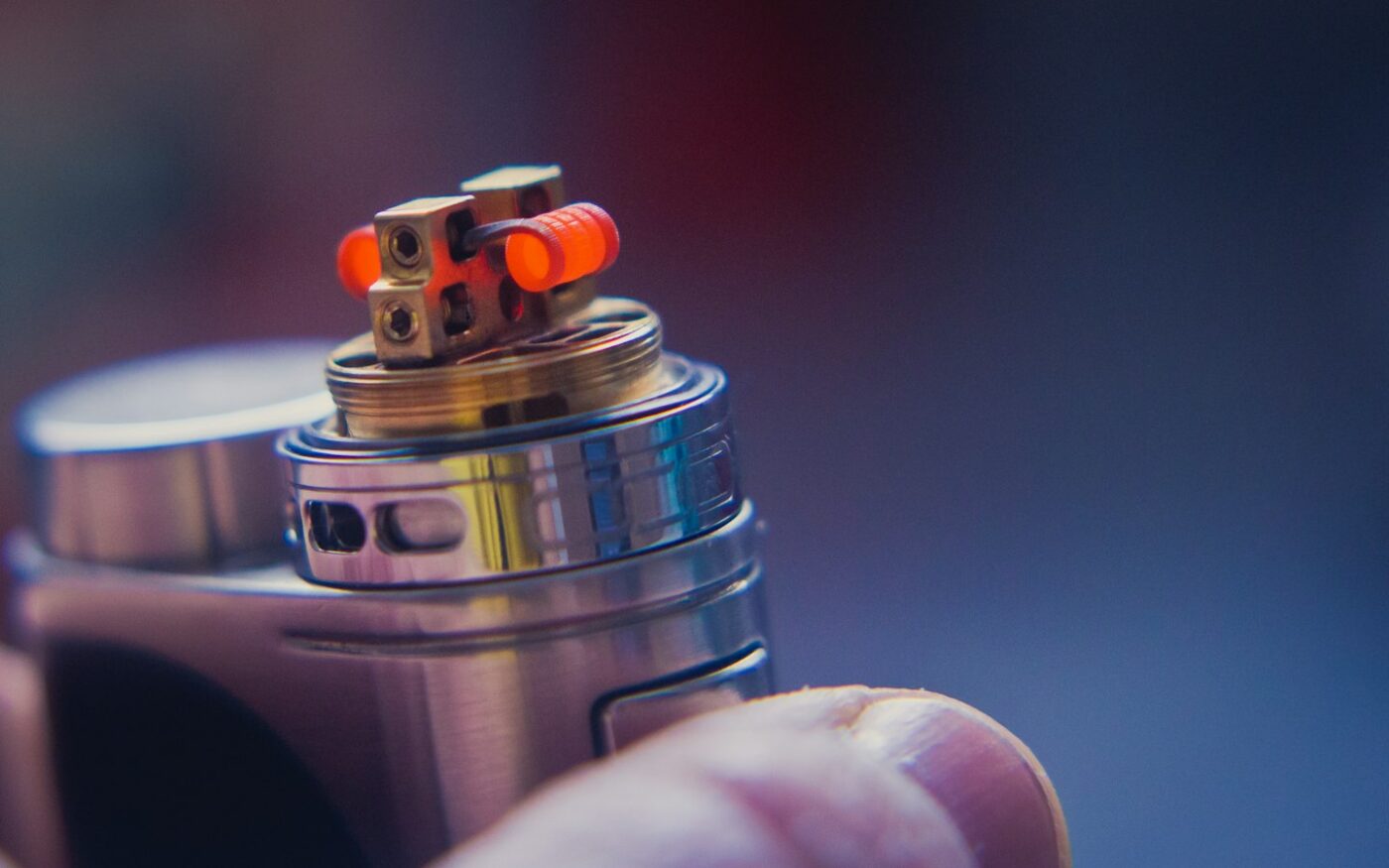
A new coil’s cotton is bone dry. Fire it before that cotton is soaked through and you scorch it, and a scorched wick tastes burnt for the rest of its life. Priming is simply making sure the cotton is fully saturated before the first puff. It takes a few minutes, costs nothing, and is the single easiest way to stop wasting coils and pods. Here’s how to do it on every type of device.
The short version
- Wet the cotton (a few drops through the coil’s wicking holes, if you can reach them).
- Fill the pod or tank and wait 5–10 minutes, longer for thick, high-VG liquid.
- Take two or three gentle primer puffs without firing.
- Start at low power for the first few puffs, then work up.
Why priming matters
The coil heats up in a fraction of a second; liquid takes time to soak into cotton. If the coil fires while part of the cotton is still dry, that dry part burns instantly. Burnt cotton doesn’t recover: it keeps tasting harsh and soaks up liquid poorly, so the coil or pod is effectively ruined before it’s had a chance. That’s why so many “faulty” new coils aren’t faulty at all. If you’ve already had a burnt hit, see why does my coil taste burnt?
How to prime a replaceable coil (tanks and pod mods)
- Drip liquid onto the cotton. Hold the new coil and put a few drops of liquid directly into each wicking hole on the side, until the cotton you can see turns darker. Add a couple of drops down the centre of the coil onto the inside cotton, without flooding it.
- Install the coil and assemble the tank or pod.
- Fill with liquid. Leave a little air space at the top.
- Wait. Leave it upright for 5–10 minutes, or 10–15 minutes for thick, high-VG liquids.
- Take primer puffs. With the device off or locked, take two or three gentle draws. On a tank, cover the airflow holes with a finger while you do it. This pulls liquid into the cotton. Stop if liquid comes into your mouth.
- Start low. Set the power to the bottom of the coil’s printed range for the first few puffs, then increase gradually.
How to prime a pod with a built-in coil
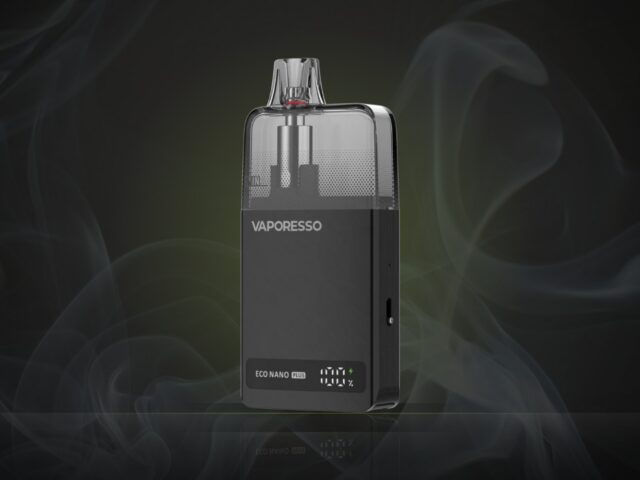
Pods like Vaporesso XROS have the coil sealed inside, so you can’t reach the cotton directly. Priming is mostly patience:
- Fill the pod through the fill port, aiming the liquid down the side of the pod rather than straight down the centre tube.
- Close it and wait 5–10 minutes before putting it in the device.
- Take two or three primer puffs without firing. On draw-activated devices, take very short, gentle draws or do it before inserting the pod.
- Take your first few real puffs gently, with gaps between them.
Some devices include a built-in priming feature. For example, Vaporesso lists a “60s Smart Prime” mode on the XROS 6 to help new pods saturate. These help, but letting a freshly filled pod soak first is still good practice.
How to prime a rebuildable (RTA, RDA or boro bridge)
On rebuildables you’re priming fresh cotton you’ve just installed yourself, and it’s even easier to get right because you can see everything:
- Wick the coil so the cotton fills it snugly but isn’t packed tight.
- Drip liquid directly onto the coil and the cotton tails until everything is visibly saturated.
- On an RTA or boro tank, make sure the tails sit properly in the juice channels, then fill and give it a minute.
- Fire briefly at low power and watch the coil. It should heat evenly with no dry spots smoking.
New to rebuildables? Start with what is a boro mod?
How long should you wait?
| Liquid | Typical wait after filling |
|---|---|
| 50/50 (common for nicotine salts) | 5 minutes |
| 60/40 to 70/30 VG | 10 minutes |
| 80/20 VG or “max VG” | 15 minutes or more |
Thicker liquids soak more slowly, especially into small pod coils. If you’re unsure what your ratio is, see PG vs VG.
Common priming mistakes
- Not waiting. Filling and immediately vaping is the number one cause of burnt new coils.
- Too many primer puffs. Overdoing it floods the coil, which causes gurgling, spitting or liquid in your mouth. Two or three gentle draws is plenty.
- Starting at full power. Even a well-soaked coil benefits from a gentle start.
- Dripping down the centre tube. Liquid poured straight down the middle of a coil goes into the airflow, not the cotton, and leads to leaking.
- Priming with very thick liquid in a small pod. Some small MTL coils struggle with high-VG liquid however long you wait. A 50/50 liquid is usually a better match.
How to tell if priming worked
The first puff should taste of your liquid, not of hot cotton. If you get a dry, harsh or burnt hit, stop immediately and wait longer; sometimes a coil just needed more time. If the burnt taste persists on every puff after another wait, the cotton was scorched and the coil or pod will need replacing.
Already got a burnt hit?
- Stop vaping straight away.
- Check the pod or tank is full enough to cover the wicking holes.
- Wait 10 more minutes and try again at the lowest power.
- If it still tastes burnt, replace the coil or pod. See why does my coil taste burnt?
FAQ
Do I need to prime pods with built-in coils?
Yes, by filling and waiting. You can’t drip onto the cotton, so patience does the job.
Do disposable vapes need priming?
No. They’re filled and sealed at the factory, and the cotton is already saturated.
Can you over-prime a coil?
You can flood it. Too much liquid dripped in, or too many primer puffs, causes gurgling and spitting. Tip the excess out or blow it through into a tissue, then carry on.
Do I need to prime every time I refill?
No. Only new coils, new pods and fresh cotton need priming. Just don’t let the liquid run so low that the cotton dries out.
Do mesh coils need priming?
Yes. Mesh coils still use cotton, and it still needs to be saturated before you fire.